


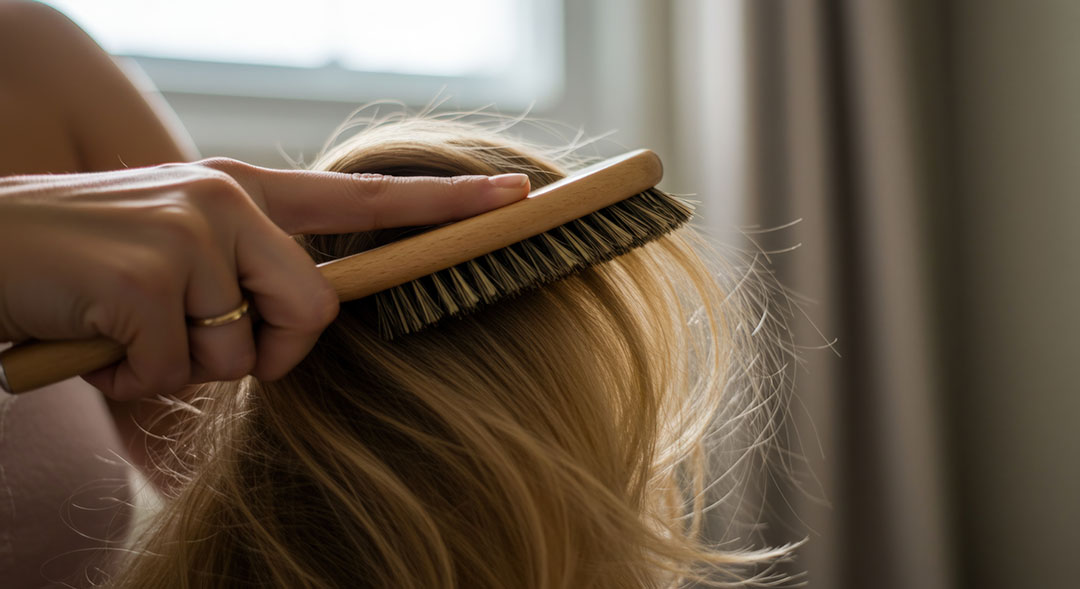
A Complete Guide to Preventing Head Lice in Schools (Parent Edition)
Head lice are a common school problem, and every year many students are affected. Contrary to what many parents assume, having lice does not mean poor hygiene. Lice are most often spread through close head-to-head contact or by sharing personal items. That’s why the best way to deal with them is smart, consistent prevention.
In this article, with a fully practical, parent-focused approach, we cover prevention principles, transmission routes, care tips, safe products, common mistakes, and a weekly monitoring plan.
What Are Head Lice, and Why Are They More Common in Schools?
Head lice are tiny, wingless insects that live only on the human scalp. They move quickly from one hair strand to another and feed on blood from the scalp. Because school environments involve close contact, group play, and shared spaces/items, they provide ideal conditions for lice to spread.
Why lice spread more in schools
-
Children stay close during play and activities
-
Sharing combs, scarves, headbands, hats, etc.
-
Hugging friends or taking group photos
-
Less attention to keeping personal items personal
-
Late detection by parents
Main Ways Head Lice Spread in Children
For successful prevention, you first need to understand how lice spread. Lice cannot jump or fly—they only crawl. So transmission is mostly direct or indirect.
1) Direct head-to-head contact
The most common and fastest route—during play, group photos, lying close together, or hugging.
2) Sharing personal items
Combs, brushes, scarves, hats, shared headphones, hair ties, headbands, and similar items can carry lice.
3) Shared coat racks at school
Placing hats and scarves close together on a shared rack is one of the biggest transmission factors.
4) Contact with bedding items
During rest time, overnight trips, or daycare, lice may spread via pillows, sheets, or blankets.
Early Signs of Lice (Before It’s Too Late!)
Early detection can reduce spread by up to 80%. Parents should know these signs:
-
Persistent itching, especially behind the ears and at the back of the neck
-
White or cream-colored eggs (nits) stuck firmly to hair shafts
-
A crawling sensation on the scalp
-
Redness or irritation from intense scratching
Important note: Dandruff can be blown off or brushed away, but nits do not come off easily at all.
15 Effective, Evidence-Based Tips to Prevent Lice at School
Below are practical, parent-friendly strategies suitable for preschoolers, elementary students, and even teens.
1) Tie hair back (for girls with long hair)
Loose hair increases the risk of contact and transmission. Better styles:
-
Tight ponytail
-
Simple braid
-
Small, lightweight clips
2) Use natural lice-repellent sprays
Sprays with tea tree, rosemary, or lavender may reduce transmission risk.
Note: Children under 3 should not use concentrated essential oils.
3) Teach children not to share personal items
Explain that combs, scarves, headbands, and hats are personal.
4) Daily combing with a fine-tooth comb
Helps spot possible nits early and remove them before they develop.
5) Weekly hair checks by parents
A simple 5-minute check per week can prevent bigger problems.
6) Reduce head-to-head contact during play
Teach children not to press heads together during games or photos.
7) Wash pillowcases, hats, and scarves regularly
Heat around 55°C can kill lice.
8) Simple homemade preventive spray (safe recipe)
A basic option:
-
1 cup of water
-
5 drops of tea tree oil (for ages 6+)
Mix in a spray bottle and apply daily to hair.
9) Keep combs and brushes clean
Soak the comb in hot water for 10 minutes each week.
10) Avoid sharing headphones and headsets
Shared school headphones can be a significant transmission source.
11) Use a personal hat—avoid shared school hats
Suggestion: keep a small cotton hat in the child’s backpack.
12) Keep boys’ hair reasonably short
Longer hair increases contact and transmission risk.
13) Conditioner can reduce how strongly nits stick
Smoother hair shafts make it harder for nits to cling.
14) Support scalp health with good nutrition
Vitamins A, B, C, and E play key roles in healthy skin and hair.
15) Maintain strong communication with the school
If you notice suspicious cases, coordinate with the teacher or school administration so proper notification can happen.
Weekly Monitoring and Prevention Plan for Parents
| Day | Recommended actions |
|---|---|
| Saturday | Preventive spray + tie hair back + quick root check |
| Sunday | Fine-tooth combing |
| Monday | Wash pillowcase or school scarf |
| Tuesday | Natural anti-lice spray |
| Wednesday | 5-minute scalp check behind ears and neck |
| Thursday | Wash hair + clean brush/comb |
| Friday | Rest + full weekly check |
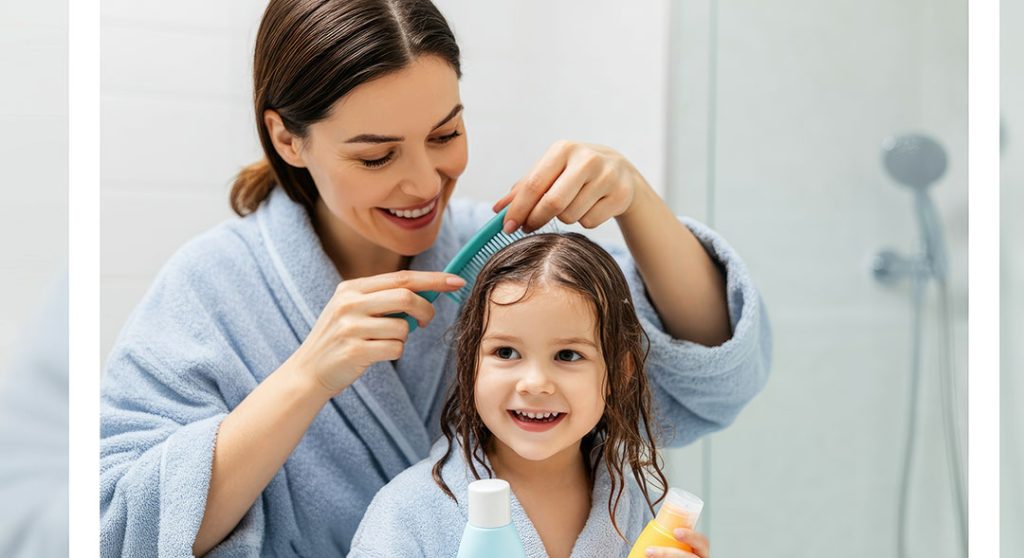 Preventing Head Lice in Schools
Common Parent Mistakes in Lice Prevention
-
Using chemical treatments when there is no lice (completely wrong)
-
Applying highly concentrated essential-oil sprays directly on the child’s scalp
-
Shaving the head completely (does not solve the problem)
-
Combing irregularly
-
Not informing the school
Frequently Asked Questions
1) Does lice mean poor hygiene?
No. Lice spread mainly through contact—not dirt or poor cleanliness.
2) Are herbal sprays enough for prevention?
They can help, but they are not the only prevention method.
3) Should we inform the school if we find lice?
Yes—this is one of the most important steps for controlling outbreaks.
4) How often should we check the child’s hair?
At least once a week—and during the school season, twice per week.
Conclusion
Preventing lice at school is not difficult—it just requires awareness and consistency. By following simple steps such as tying hair back, using mild natural sprays, washing personal items, and doing weekly checks, you can significantly reduce the risk of infection. This parent-focused guide is designed to help you support your child at school with peace of mind.






)